How to design with a low environmental impact in mind
In the current context, eco-sustainable retail has become a crucial aspect for businesses in every sector.
Designing and building an eco-sustainable store, bar, or restaurant not only contributes to preserving the environment but can also lead to economic and brand image benefits for the company.
In this guide, we will explore the fundamental principles for designing and building such premises, with a focus on Store Builder, a company specializing in sustainable solutions for the retail sector.
Choice of Materials
Material selection plays a key role in the sustainability of a commercial space. Store Builder is committed to using recyclable, recycled, or sustainably sourced materials for the construction and furnishing of the store, bar, or restaurant.
Preferring materials such as FSC-certified wood, recycled glass, recycled plastic, and solar panels for energy production are just some of the options available to reduce the structure’s environmental impact.
Operational Efficiency
Optimizing retail model operations is essential to reduce waste and maximize efficiency. Store Builder designs layouts and workflows that minimize the need for energy, water, and other resources.
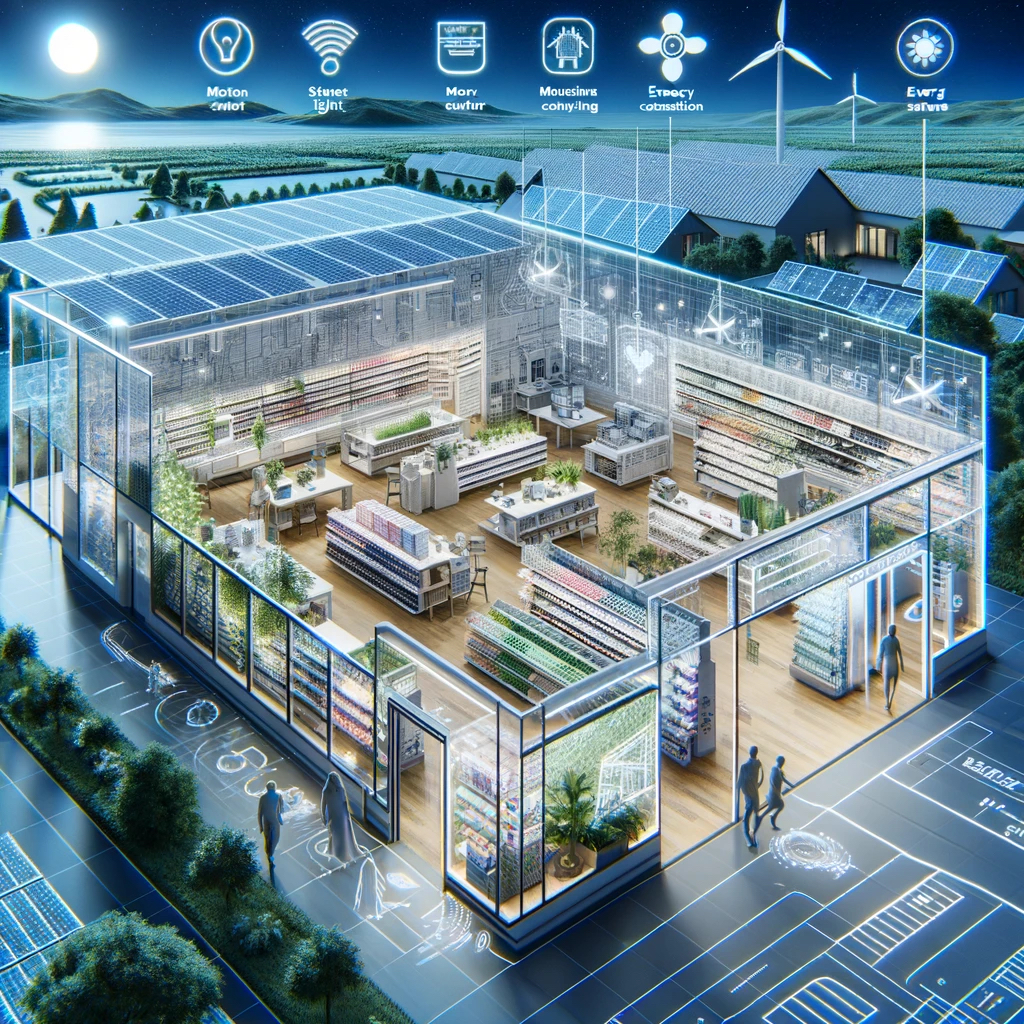
Implementing smart technologies, such as energy-efficient LED lighting systems, automatic temperature control devices, and energy management systems, contributes to reducing long-term operating costs.
Energy Efficiency
A primary goal in designing an eco-sustainable space is to reduce energy consumption. Store Builder focuses on installing innovative and sustainable energy solutions to ensure a reduced environmental impact.
Measures adopted include thermal insulation, the use of airflow management devices, and the use of energy-efficient and heat-recovery appliances.
Sustainability-Oriented Design
The design of the space itself can contribute to overall sustainability. Store Builder integrates bioclimatic design principles to maximize natural lighting. Projects tend to favor natural ventilation and reduce dependence on heating and cooling systems.
The choice of reflective colors and materials can help reduce the need for artificial lighting. The use of plants and natural elements can improve indoor air quality.
Conclusion
Designing and building an eco-sustainable store, bar, or restaurant is not only an opportunity to reduce environmental impact but also an investment in the company’s future.
Businesses can adopt innovative and sustainable solutions to create environments that not only respect the environment but also attract and retain customers who are sensitive to environmental issues.
Investing in sustainability is not just an ethical choice but also a competitive advantage in the modern commercial landscape.